
Thinking about peptides? Do them safely.
Frequently Asked Questions
Watch This Video
The Next Step
Is Up To You...
You now have a choice.
You can continue guessing and self-prescribing peptides online—or you can choose medical oversight, pharmaceutical-grade peptides, and professional guidance.
By purchasing peptides through Vidal Medical, you’re choosing a safer, smarter approach to peptide therapy—one built on licensed providers, proper screening, and verified quality.
This pathway gives you access to:
A licensed medical provider who evaluates your health and medications
Prescription peptides from licensed U.S. compounding pharmacies
Proper dosing, monitoring, and clinical accountability
No research sites. No guesswork. No unnecessary risk.
This program is designed to support metabolic health, recovery, body composition, and longevity—using peptides the way they were meant to be used.
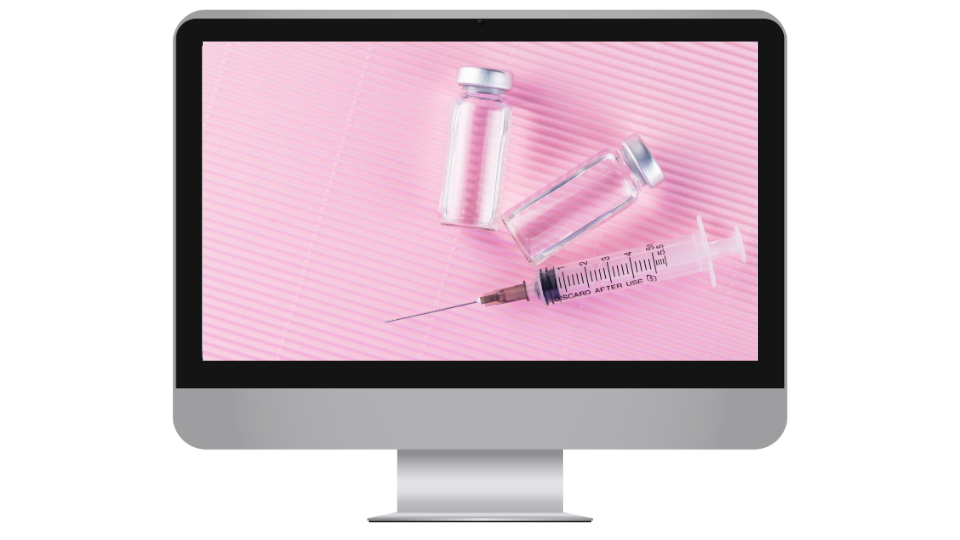
Disclaimer
Peptides require evaluation and prescription by a licensed medical provider and are dispensed by licensed U.S. compounding pharmacies. This information is for educational purposes only and is not medical advice.
I may receive an affiliate commission if you choose to purchase through this link. This does not affect your cost and supports the creation of educational content and vetted, safety-first resources.
Medical Peptide Therapy FAQs: Safety, Science and Medical Oversight
Peptide Safety
What are peptides?
Peptides are short chains of amino acids that act as signaling molecules in the body. They tell cells how to function and influence processes like metabolism, tissue repair, hormone signaling, immune function, and healthy aging.
Are peptides safe for humans?
Peptides can be safe when prescribed by a licensed medical provider and sourced from a licensed compounding pharmacy. Safety depends on proper medical screening, correct dosing, and pharmaceutical-quality sourcing.
Why is it unsafe to buy peptides from research websites?
Research peptides are not approved for human use and are not regulated for safety, purity, or sterility. They are often used without medical supervision, increasing the risk of contamination, incorrect dosing, infections, and drug interactions.
What does "research use only" mean for peptides?
"Research use only" means the peptide is not intended for human consumption. These products are not required to meet pharmacy safety standards and are not evaluated for clinical use.
Why do peptides require a medical consultation?
A medical consultation ensures peptides are appropriate for your health history, medications, and goals. Some peptides may be contraindicated or unsafe without proper evaluation and dosing guidance.
Can peptides interact with medications?
Yes. Some peptides can interact with prescription medications or affect hormone, immune or glucose pathways. Medical oversight helps prevent harmful interactions.
Why do I need a prescription for peptides?
Peptides influence biological signaling pathways and require precise dosing. A prescription ensures medical accountability, safe sourcing, and appropriate use.
What is the difference between compounded peptides and research peptides?
Compounded peptides are prepared by licensed U.S. pharmacies under strict safety and sterility standards. Research peptides are not held to these standards and may be contaminated or vary widely in quality and potency.
What is a Certificate of Analysis (COA)?
A Certificate of Analysis confirms the identity, purity, and quality of a peptide batch. Licensed compounding pharmacies provide COAs, while research peptide sellers often do not.
Why is peptide dosing so important?
Peptides work through precise cellular signaling. Incorrect dosing can reduce effectiveness or cause unwanted side effects. Medical providers individualize dosing for safety and results.
Why is reconstituting peptides risky?
Improper reconstitution can introduce bacteria, lead to dosing errors, or cause infections. Many people accidentally underdose or overdose peptides when mixing them without guidance.
Are peptides legal in the United States?
Prescription peptides are legal when prescribed by a licensed provider and dispensed by licensed U.S. compounding pharmacies. Research peptides sold for human use exist in a legal gray area.
Peptide Basic Science
What are peptides commonly used for?
Peptides are commonly used to support metabolic health, body composition, muscle recovery, tissue repair, immune regulation, hormone signaling, and longevity—when medically appropriate.
How long does it take for peptides to work?
Results vary based on the peptide and the individual. Some people notice changes within weeks, while others require consistent use over a longer period.
Are peptides the same thing as hormones?
No. Peptides are not hormones, although some influence hormone signaling. They act as messengers rather than hormone replacements.
Can peptides help with weight loss?
Yes, some peptides may support metabolic function, appetite regulation, or body composition. GLP1 drugs like semaglutide and tirzepatide are peptides. They work best as part of a comprehensive, medically guided plan.
Who should not take peptides?
Peptides may not be appropriate for individuals who are pregnant, breastfeeding, have certain medical conditions, or take specific medications. A medical evaluation is required.
Peptide Oversight: Working with Vidal Medical
Do I need to make a follow-up appointment if I take peptides?
Some peptides require periodic follow-up to reassess dosing and response. Others may not need frequent visits once therapy is established.
Why does a peptide consultation cost money?
The consultation fee covers medical screening, prescribing, dosing guidance, and professional oversight. This ensures safety, quality, and individualized care.
Do you receive compensation for peptide purchases?
Yes. I may receive an affiliate commission if you purchase through this link. This does not increase your cost and supports educational content and vetted medical resources.
Copyright © 2026 Sherry Brewer MD™ | All Rights Reserved | Privacy Policy | Terms Of Use | Disclaimers | About | Contact
Address: 212 N. 2nd St. Richmond KY 40475 | Phone: (563) 259-7269 | Email: contact@sherrybrewer.com
This site is not a part of the Facebook™ website or Facebook™ Inc. Additionally, this site is NOT endorsed by Facebook™ in any way. FACEBOOK™ is a trademark of FACEBOOK™, Inc.
*These statements have not been evaluated by the Food and Drug Administration. This content is not intended to diagnose, treat, cure or prevent any disease.